Monday, June 10, 2013

Getting comfortable with who you are

There is something that I have heard a lot as I've started this journey into nutrition and fitness - be happy who you are and remove the negative thoughts that are associated with how your body looks.

So let me make a few biased statements that I have either encountered or I have personally felt over a life time.  I have said these myself to others or in my head during times of strenuous activities: "I'm tired of being the fat, slow, old guy in the room,"  "this is the heaviest I've ever been," or my personal favorite "I don't want to be the last one finishing....again".  You see this are all the negative thoughts that are a constant battle with me, which is partially to blame on society and partially to blame on my own lamenting of a lack of will or better yet dedication to the plan.


What you deem as being healthy and what I deem as healthy may be completely different; however, each of us are constantly bombarded by the "image" of fitness.  I've put forth two images that sum up a lot of what is good and also some of what is bad with the perception of "healthy".  First, the image of the guys over a period of time shows what I would consider an unhealthy weight and progresses to a better or more fit weight.  I feel that I am between picture 3 and 2 from the left.  Ideally, I would love to be around 2 full out...this will happen, but I may still be around the same weight.
On the flip side of the coin, women have a worse time of it and even as I write this I should count my blessings that I don't have that much stress in my life.  I've put up another image of what most people would not consider the ideal image.  The image on the right are some of the female Olympic athletes, which should be considered like the pinnacle of fitness.  Looking at the image these women don't fit the mold of the ideal image, but these women train for their sport and respective physique.


Well, I am about 2 months in the the plan of eating a paleo/primal diet (which could still be better) and I am the heaviest I have ever been.  I woke up this morning and weighed in at 216 pounds, which is crazy to think that I physically feel great (except after those ass-kicking WOD's).  Psychologically, I am upset with the fact that I feel fat...one three letter word...but it is a powerful little word.

I know I have lost weight and then slowly started to gain it back, which seems to be in the form of muscle.  I am hoping that the change in diet will continue to work in dropping the pounds of fat and the CrossFit workouts will tone and increase the muscle mass on my body.  It is going to take me some getting used to that being heavier isn't always a bad thing.


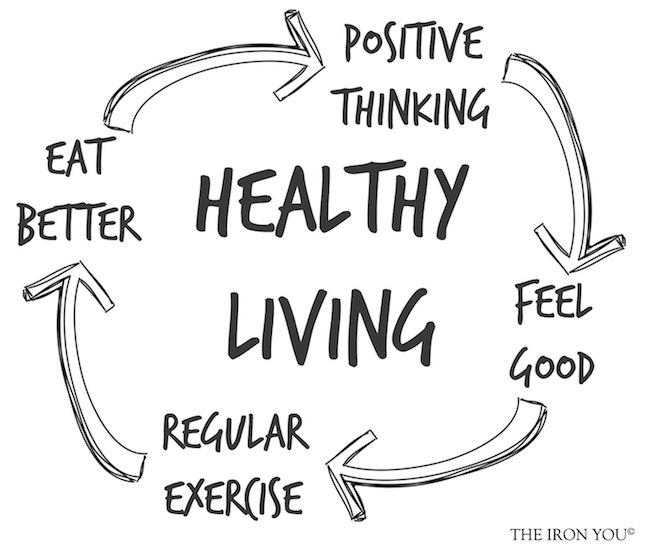
Focus on doing. Focus on building. Focus on being the best version of YOU that you can be. Give your body a chance to grow and perform. Your body is smart. It will adjust to homeostasis if you let it. And you just might realize that the best version if you is yet to come.

Living by the 80-20 rule.

Been awhile since I have posted.

I recently got into a conversation on how I follow the Paleo/Primal diet.  The only way I have found time to eat the way I want to in order to lose the weight/live in a better manner is to follow an 80/20 rule.  This doesn't mean that 80% of the time I follow 20% of the diet.  Rather, it means that I am trying my best to follow the diet of high protein, vegetables, and no white starchy carbs (processed or otherwise) 80% of the time.  I am doing this because I don't want to lose the enzymes that my body already produces to handle the occasional potato, piece of bread, or some rice here and there.

There have been weeks that setting up the meal schedule has been near to impossible to keep up with and z finding time to make the trips to the grocery store is near impossible.  However, I have been able to sneak in time to make meals and snacks to help along the way.  

This has led to the following 80/20 rule and how it makes my life a bit easier.  Most diets will call for a cheat day or to heed the cravings to keep yourself sane. The rule that it is completely acceptable to out on an "All you can eat buffet" or tackling an entire container of ice cream.  But stopping by for a higher caloric meal here and there when you are burning off those extra items working out is perfectly fine.  Note:  eating denser calorie foods that a healthy is still the way to go.  There is a major difference between a double whopper with fries and a salmon steak with grilled vegetables or a few tablespoons of peanut butter, use your judgement.

Monday, April 22, 2013

Sharing the love...

It has been a tough week in regards to keeping up with the desired Paleo/Primal diet.  Stress, work, and an overall feeling that there isn't enough time in the day has led to a few days where I started to slip back into the poor diet habits.  I expect these days to happen, but my body has not exactly reacted well to the entire influx of starchy/processed carbohydrates.

On a brighter note, I was able to introduce several co-workers to the world of Paleo through my stir fry.  I am pretty sure it was a hit, but it was more important to have a reason to get back to the plan.  Strange to think that a bunch of vegetables with some spice and coconut aminos can make such a great meal.  Colorful and flavorful - if the teaching thing doesn't work out...maybe I could make it as a cook.  It was nice to bring a small taste of both my cooking and a completely healthy meal to people who enjoyed the meal.

Today's topic - portion control.

I was raised by two individuals who have diabetes and there has always been some form of food measuring in the house hold.  My mom was a little more lenient with the portion control and my dad was pretty strict and consistent about breaking out the measuring cups.  These were the two examples that I saw on a regular basis and some of these ideas stuck with me other didn't.  I like my comfort food (most of which isn't Paleo) and at times I have taken down more food than I should have at any given time.

Even with this new diet - that idea is still in the back of my head.  Should I be eating less of this or I wonder what constitutes a "true" portion size.  A lot of the blogs and books I have read throw portions out the window and state that you should eat when you are hungry and eat enough to be satisfied.  From a personal viewpoint, it is hard to argue with a diet that says eat as much as you want as long as you are eating:  vegetables, lean meat, seeds, nuts, or more vegetables.  Calorie wise, I am still way under my allotted 2100 calories a day and I am rarely hungry aside from the normal breakfast, lunch, and dinner times.

I feel better and I know I am eating more vegetables than I have in the past.  This is a plus and really I feel like my body is handling more stress and functioning better since switching diets.


Basic portions and how to figure them out, trust me it can still be a little confusing.  The major benefit to this is not having to count every single calorie or carbohydrate.  However, there is a running idea that you can eat as much as you want or could eat as long as it is within the set parameters of approved foods.  This is a major pit fall, because no matter how many healthy foods you eat, if you are exceeding the needed caloric intake every day those extra calories have to go somewhere.

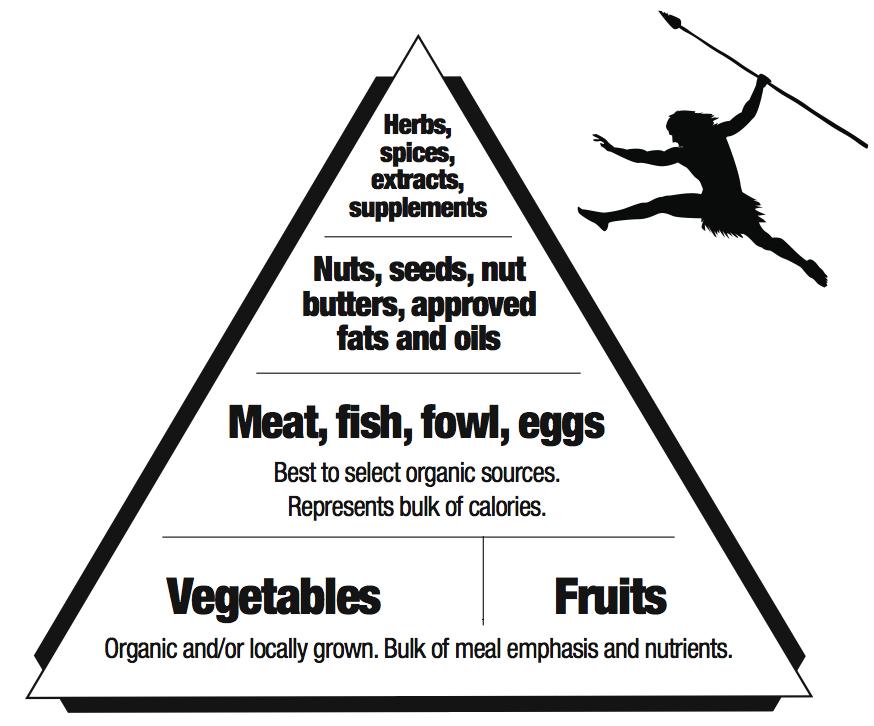
The paleo plate is primarily set up around the protein source.  This is similar to several other diets and frankly it isn't a bad place to start.  Most proteins (lean meats, fish, eggs) shouldn't exceed the size of your fist.  I like having protein at every meal, because it keeps me satiated for a longer period of time.  I am starting to watch this more and more as my diet continues, because I am still nervous about the over eating of the good things.  It would be counter intuitive to what I am trying to do with my dietary needs.  Eggs are another easy one to "measure".  You should eat as many eggs as you can hold in one hand.  Some people will be able to hold 3-4 eggs and other 1-2.  I stick with my 2 egg breakfast and this keep me full until lunch.

After the protein comes the vegetables.  Fill up your plate with vegetables.  Pretty simple, right?  Well even this can be confusing.  Sedentary people may not want to load up on the winter squashes, sweet potatoes, or   root vegetables because they are carbohydrate dense.  This would mean a larger emphasis on the leafy greens as a general rule of thumb.  If someone is more active, be sure to plug in some of these carbohydrate dense vegetables to support your specific needs.

Fruit - 2 to 3 serving a day.  I think this one is also relative, because of the amount of natural sugar that can be found in the fruits.  I eat fruit with breakfast through the consumption of a smoothie, which covers most of my fruit needs.  I will occasionally eat some fruit as an afternoon snack, but this is an uncommon event.


Eat in moderation.  Tackle some vegetables for the needed nutrients and try to split the meals up every 4-5 hours to allow your body the proper time to digest the food.


Monday, April 15, 2013

Week 1 Summary

Week 1 - Successes and Failures

One week down of the Paleo/Primal diet.  I feel great and I am starting to shed the excess pounds.   So here are the successes, in not particular order.

    •  Lost 1.8 pounds in a week of diet change.  Read this part. The lost of weight wasn't water weight or muscle mass - hopefully that means it was strictly the midsection area of concern.  This is an awesome reality that there may be something to this diet.  I haven't felt hungry that often in the day outside the normal meal times.  This is a major thing in my success column.  Yes, losing weight is a motivation in my current goal/mind set...but it isn't the driving factor.  
    • Over spring break (the first extended break that I haven't been running around/coaching/traveling) I avoided major pit falls in terms of health.  I got plenty of sleep, exercised, cooked some great meals, and avoided the mindless boredom snacking.  It's hard to want to eat when your stomach is still feeling full from the meal 2 hours ago.  
    • Energy levels are great.  Granted I took a 2 hour naps when I made it home, but I was only able to sleep a few hours the night before.  Always happens to those anxious to return back to the hallways of a high school.  
    • My body has fought off an upper respiratory infection and pollen allergies.  That's right, my body came through without me having to go to a doctor and get some medication.  
    • No soda in a week.  Switched to green tea with lemon and honey before sleep.  Great choice and one I highly recommend.  


Failures or moments of temporary weakness/poor decisions.

    • The Snickers bar that was on my desk is no more.  Sadly, I consumed it a few night ago after a hard work out.  I know one here and there won't hurt the long term goal, I had prided myself in not eating one since the wrestling season was over.  
    • Two beers after grilling one night.  Alcohol is not paleo, but it is a vice that I like in moderation.  
Challenges
    • Finding time to cook/prep meals.  I like the meals I am making, but spending an hour in prep time/cooking can get tiresome at times.  This will just take some getting used to and eventually it will feel normal.  
    • Getting to the gym every other day.  Or getting some exercise everyday.  Over spring break it was easy.  The basic routine was this: wake up, eat breakfast, and go work out.  Now that teaching is back in full swing, I need to find the motivation and time to continue hitting the gym to lift and push my body.  
    • Resisting the large amount of sweet carbohydrates out there.  I don't have a particularly large sweet tooth, but it was a challenge to walk by the donuts, cakes, and other sweet foods at the bakery section of a grocery store.  Everything looked good, but I am trying to cut those out of my diet.  I guess this means that my body is slowly being reprogrammed, but it is resisting slightly.  

Ugg goes foragin

Okay, so everything I have read talks about the importance of wild caught sea food, leaner meats, and fresh produce.  For those doing this diet, you soon realize there is one major draw back to this dietary change - cost.

Let's face it fresh and quality food is more expensive than processed, frozen, or "quick and easy" meals that a lot of people gravitate to on a regular basis.  I blame the high stress jobs, long hours, fast food mentality's and simply put a lack of time to prepare a good meal.  Best advice - take the time to try.  Plan out some meals and cook them on an off day to have "pre-made" meals that you cooked.  It adds a new flavor and twist to a microwave meal.

Okay, I'm off the soapbox.  Back to the fresh food and where to get them at a reasonable price.  I found an international farmers market that was about 10 minutes from home.  The Nam Dae Mun farmers market completely surprised me and I look forward to going back next weekend.  Simply put, I was able to get a week's worth of proteins (pork chops, flank steak, chicken, scallops, crabs, and tilapia filet), vegetables (zucchini, onions, celery, garlic, bell peppers, cucumbers, spaghetti squash) and some fruits (papaya and a pineapple.  This impressive list was purchased for under 50 dollars.  Ladies and gentlemen, this is was you call a major win.  I like my Publix and occasional Kroger trips, but this place rocks.  If you are in the Gwinnett County area, check it out.  It'll be worth your while.  

Saturday, April 13, 2013

Eating for your health

You are what you eat, simply put.

I've starting reading The Primal Blueprint by Mark Sisson and some of his major points deal with the amount of carbohydrates that Americans eat and the health issues that have come about from it.  Most Americans lead a fairly sedentary life, working 50+ hours a week (sorry the 9-5 is out of the question when work is brought home), eating fast food on a regular basis, and finding more excuses to stay inside instead of going out to get some fresh air.

So primal...what does this really mean in regards to paleo?  From my first amounts of reading there isn't a great deal of differences.  I almost like the idea of a primal diet over the "paleo" diet.  There are several different paleo diets out there (meaning there are lots of different tribal groups/foraging areas in the world), but the primal diet has been presented as the core of what my meals have become.

Also, the primal diet allows for dairy in moderation, as long as your body can handle it.  So even though I am  following a more paleo diet and most of the recipes will be considered paleo, I do enjoy my milk/chocolate milk after a hard work out.

Back to The Primal Blueprint...

I am concerned about diabetes and heart health.  Both parents have diabetes and one has high blood pressure and a few years back major heart surgery.  The heart health concerns will be a later post, but I wanted to really focus on the concerns about diabetes.  The more I read, the better I feel about deciding to change my diet habits.

Here are a few excerpts from the Diabetes Well Being website.  The biochemistry behind insulin and how your body uses it is pretty self explanatory and the long term effects of continued exposure to these toxic levels of sugar are just now being understood.  Our body processes carbohydrates into glucose, which is the energy our cells need to move and our body needs to grow.  This insulin makes the glucose a usable energy source.

Don't read this as sugar/carbohydrates are bad.  But the majority our the carbohydrates consumed are in the form of sugar (high fructose corn syrup) and processes grains.  Neither of these have a lot of nutritional value, but both are extremely effective in causing our body to go into overdrive to go back into homeostasis. The excess glucose not processed by the cellular respiration is stored as fat, which back in ancient times was a good thing.  A small fat store allowed for animals and people to fatten up to survive the winter months.

Fast forward to modern days there is a lack of exercise, which leads to the weight problems.  Combine the lack of exercise with an overworked pancreas.  If the pancreas is constantly working in overdrive to keep up with the insulin needs it is going to get worn out.  As the pancreas can't produce the proper amount of insulin the glucose gets stored as fat or passed through the urine.  Mark Sisson, points out that muscles are also prone to insulin resistance, which causes a constant trigger response the cells are starving.  This sensation caused by insulin not doing its job results in that sugar cravings, even if you just ate no more than a few hours ago.  This fact alone may be the leading reason for how type II diabetes is on the rise.


Thursday, April 11, 2013

The dangers of eating garbage on a daily basis...

The bane of our existence ...sugar.  Rather the amount we eat.  

I can speak for myself in that I am not a huge sweets person, but when I get the craving I can tackle a bit of chocolate, gummy snacks or ice cream.  Right now I am staring at a Snickers bar that has been on my desk for going on 3 months now and I still really don't have a desire to eat it.  Hopefully that trend continues.

As a high school teacher and a wrestling coach, I have become more aware of a growing trend in how things are shifting in terms of high school diets/eating habits.  If it is green or "healthy" leave it alone, but if it has sugar, flavorings or comes in a crunchy plastic wrapper - it's all good.  I tell my athletes on a regular basis that eating items that are from a vending machine is the equivalent of shoving a pile of garbage down the gullet called a mouth.  Very quickly, they pointed out the Mountain Dew in my hand.  Albeit, the soda is bad and potentially one of the worse things out there.  They had a point, but failed to realize how their nutrition was affecting their ability to wrestle and more importantly their ability to live.

See we humans like sugar.  It's sweet, found in a lot of really good tasting things, and hey it is ZERO fat!!! Right?!?  All of these facts point to the truth, but how about the biochemistry behind it all?  Excess sugar is stored as fat.  We know this, we understand this and yet, we toss this information to the wind whenever the urge for a sweet treat is around.

I can't put it much better than Jamie Oliver does and frankly he is what I would consider an expert in terms of food preparation.  I agree with most of the points made and applaud him for making these things more known to the world.  School aged children are at the highest risk at poor eating habits, because they are perpetuated by their parents.  Worse than that, eating healthy can be more expensive than grabbing a frozen TV dinner or the precooked meals that just need a quick dive into the closest microwave to be ready to eat.  I know this because I am currently doing that transition.  My food cost has gone up, but my energy levels have also gone up and I feel better after I work out.  I can't want to have my next health screening to answer the question:  How do you feel? Have you changed your diet?  How much weight have you lost?  Because, I am eating higher quality foods I know I am going to be able to lead a higher quality of life.

I know it is tough, I've spent 2-3 days cooking and making leftover plates so that I don't have to cook a lot into next week.  It takes time, but I'd rather spend my time doing this than in a hospital bed or a doctor's office later on.  I feel for the single parent working 60-80 hours a week to provide a house, meals, and everything else for their family.  I will never knock on them for doing the best they can, but I would still encourage them to try and find time to teach their kids to cook and spend time at the dinner table.

Back to sugar, there is evidence for how bad sugar can really be on our diet.  The article list is dealing with high fructose corn syrup (a chemically derived sugar), but it lends itself to the current sugar consumption that humans, more specifically Americans down in a given day.  Anthropological research suggests that our ancestors didn't consume a lot of sugar and when they did it was opportunistic.  Anecdotal evidence that I would have to eat nearly 8 feet of sugar cane to get the amount of sugar in a typical liter bottle of soda.  Only, I couldn't get the fiber or other nutrient that the sugar cane would provide.

I can't tell you all the risks of high fructose corn syrup, but there is a lot of evidence mounting against the usage of such a chemical.  It is scary to think that a product so regularly found may be linked to things like Autism, obesity, cancer, Diabetes, and learning deficiencies.   For this guy, I am one day number 9 of no soda, no candy, and an overall reduction or removal of processed foods from a crunchy plastic bag.